
Thinking BIG
- PolyBoatGlobal

- 19 hours ago
- 2 min read
Although the shipping world is a somewhat concerned about petrol tankers in the Gulf, polyboatglobal is pleased to report on the appearance of two electric ships, each 130 metres in overall length, the first of tomorrow’s fleet which confirm that electric propulsion is viable for large commercial vessels.
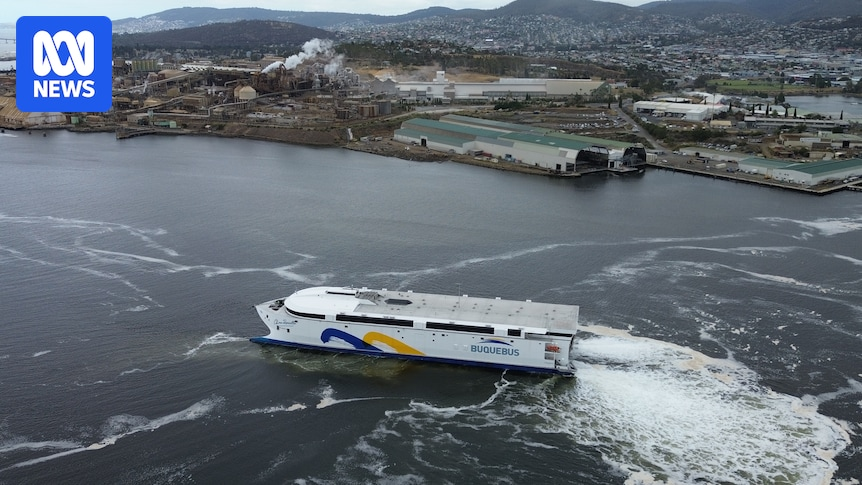
Built in Hobart, Australia by Incat Tasmania under the provisional name of Hull 096 and launched in May 2025, now renamed China Zorrilla after a legendary Uruguayan actress. This 130m battery electric roll-on/roll-off catamaran ferry, is the largest fully electric ship, and largest battery electric vehicle of any kind, in the world. The aluminium vessel measures 130 metres in length and has 3 decks to carry up to 2,100 passengers and 225 vehicles; bigger than the company's other ships. Its propulsion system comprises eight 2.4 MW electric waterjets; two fixed and two steerable in each hull. They are powered by a 40 MWh Corvus Energy Dolphin lithium-ion battery system built in Norway, weighing over 250 tonnes. This system, supplied by Finnish company Wärtsilä features the largest battery installed on a ship, enabling the ferry to operate entirely on electric power. The ferry recharges from 20% to 80% state of charge in 40—80 minutes at the company's charge point in each port. The ferry's travel plan is scheduled for two roundtrips per day, with charging between each of the 4 crossings. Dársena Norte harbour, between Retiro railway station, Puerto Madero neighborhood and Costanera Sur Ecological Reserve.Colonia del Sacramento, Uruguay - and Buenos Aires, Argentina. China Zorilla began sea trials in in the River Derwent, allowing crews to test propulsion, manoeuvrability, control systems, and onboard operational performance in real-world conditions. It is currently riding on a heavy-lift ship for a month from Tasmania over the Pacific Ocean to Uruguay in March 2026.
In September 2025, the 128 meters Ning Yuan Dian Kun, 10,000-ton electric containership completed its outfitting, berth tests, and mooring trials. The ship set out from its builders, Jiangxi Jiangxin Shipbuilding, on February 1 to undergo trials off Shanghai. It has a capacity of 740 TEU. It is reported to have a maximum speed of 11.5 knots. The power system uses 10 containerized batteries capable of generating up to 19,000 KWh. The batteries will drive two 875 KW permanent magnet propulsion motors, and it will be possible to either recharge the batteries using high-voltage shore connections or quickly swap the batteries for charged batteries. In addition, the vessel has photovoltaic power cells to provide additional power. When delivered, the vessel will be operating for Ningbo Ocean Shipping. It is the first of at least two battery-powered vessels the company is building for its feeder service to the Ningbo-Zhoushan port.


Comments